
Are Coworking Spaces Worth It for Freelancers in 2026?
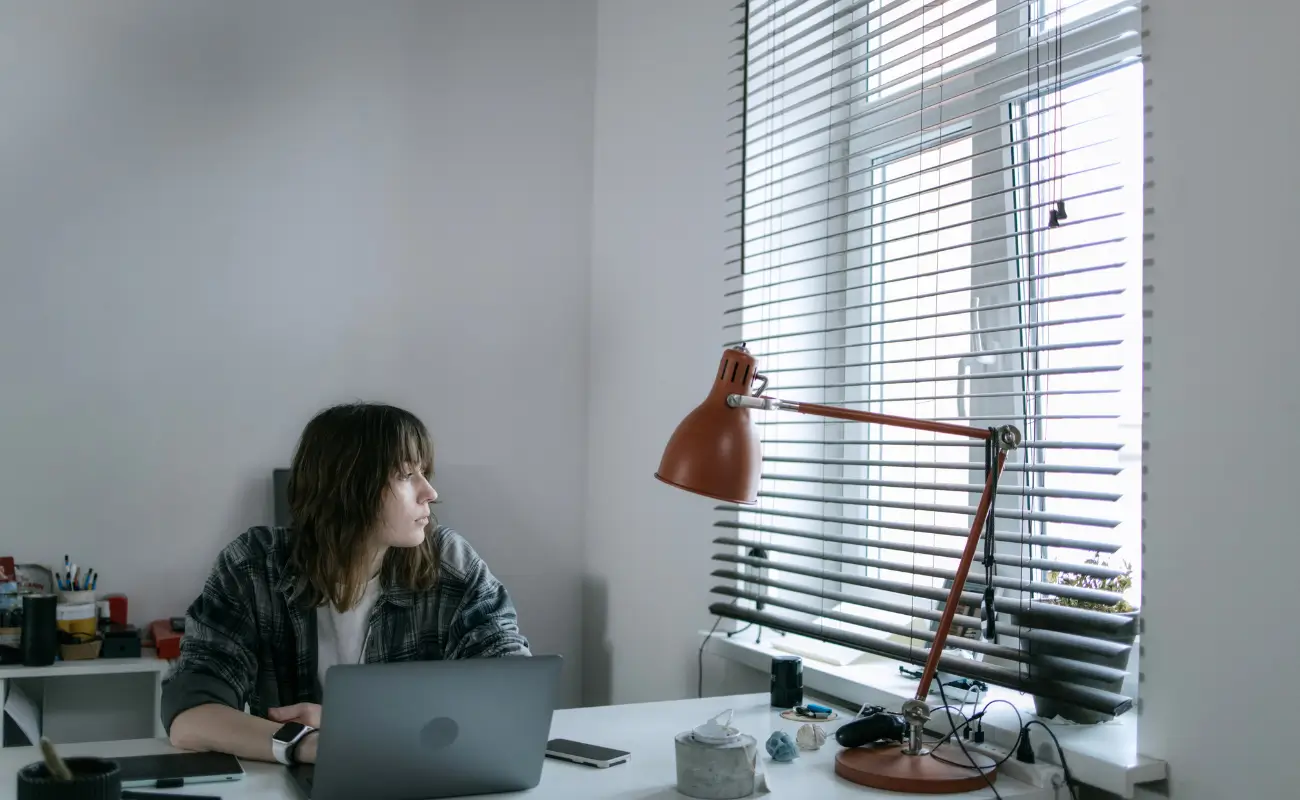
If you've ever worked from your kitchen table while your laundry spun in the background and your neighbor's dog barked through a client call, you already know the appeal of a coworking space.
But is it actually worth the monthly fee, or is it just a nicer way to spend money you could be saving?
As a freelancer, every dollar and every hour matters.
So before you sign a membership agreement, it's worth digging into what coworking spaces really offer, what they cost, and whether the return is worth it for someone running a business of one.
Let's break it down and take a closer look at what a real, Texas-based coworking space provider , like Leez A Space, actually offers freelancers on the ground.
The Coworking Boom Isn't Slowing Down
First, some context. Coworking isn't a niche trend anymore; it's become mainstream infrastructure for how independent professionals work.
Industry estimates put the global coworking and flexible office market at roughly $26 billion in 2026 , with growth rates in the 14-15% range expected to continue for years.
In the U.S. alone, the coworking footprint grew to nearly 9,000 locations in early 2026, a jump of about 15% year-over-year.
More importantly for freelancers specifically: independent and self-employed workers make up roughly 40-42% of coworking members, making them the largest single user group in the industry and the fastest-growing one.
In other words, you wouldn't be joining a fringe movement. You'd be joining the majority.
That growth alone doesn't prove coworking is "worth it" for you personally.
But it does tell you something important: a lot of people who face the same trade-offs you do have already run the math and decided it pays off.
You can also read: 7 Ways to Get the Most Out of Your Coworking Space .
What You're Actually Paying For
A coworking membership isn't just a desk. When you break down the cost, you're typically paying for four things:
- A dedicated, distraction-free workspace. No dishes calling your name, no roommates walking through your Zoom background, no coffee shop background noise fighting your podcast client's audio.
- Business-grade infrastructure. Reliable high-speed internet, printers, meeting rooms, and sometimes recording studios or podcast booths; the kind of setup that would cost thousands of dollars to replicate at home. For example, Leez A Space bundles internet, electricity, parking, conference rooms, a mailbox, and a break room into one all-inclusive plan, so freelancers don't have to piece together separate utility, internet, and equipment costs on their own.
- A professional address and meeting space. If you ever need to meet a client face-to-face, "let's meet at my coworking space" sounds a lot more credible than "let's meet at Starbucks."
- Community and networking. This is the piece that's hardest to put a price tag on, but it may matter the most.
You can also read: 7 Ways to Stay Focused in a Coworking Space .
The Productivity and Wellbeing Case
Here's where coworking starts to pull ahead of "just a nice-to-have."
Surveys of coworking members consistently show meaningful gains in how people feel about their work.
One recent industry survey found that 74% of coworking members report feeling more productive, and 89% say they're happier since joining, numbers that are hard to ignore if you've ever struggled with motivation while working solo from home.
This tracks with what freelancers describe anecdotally, too: isolation is one of the most common complaints about self-employment.
Working alongside other people, even quietly and without talking to anyone all day, tends to create structure.
You get dressed, you show up, you start work at a consistent time, all things that are much easier to skip when your "commute" is fifteen feet to your desk.
There's also a local economic ripple effect worth noting: roughly 60% of coworking members report spending money at nearby businesses, coffee shops, gyms, restaurants, as part of their daily routine.
That's a small signal of something bigger: coworking spaces often sit at the center of a broader routine and community, not just a workspace.
You can also read: 7 Ways the Right Workspace Impacts Employee Productivity .
The Networking Argument
For freelancers, referrals and word-of-mouth are often the difference between a feast month and a famine month.
Coworking spaces are, by design, dense with other freelancers, consultants, and small business owners, exactly the kind of people who refer work to each other.
This is especially true as the demographic of coworking spaces has matured.
The average coworking member is now around 38 years old, up from 35 in 2020, and about 80% hold a college degree.
This signifies that these spaces are increasingly full of established professionals, not just twenty-something startup founders, which means more potential clients, collaborators, and referral partners in your orbit.
Of course, proximity doesn't guarantee relationships. You still have to show up consistently, introduce yourself, and put in the social effort.
A coworking space gives you the opportunity; it doesn't hand you the outcome.
You can also read: 6 Networking Strategies to Grow Your Business in a Coworking Community .
The Real Cost Question
Here's the part that matters most for your bank account: does the cost make financial sense?
Coworking membership prices vary enormously by city and space type, ranging from around $150-200 a month for a hot desk in a smaller market, up to $400-600+ a month for a dedicated desk or private office in a major city like New York or San Francisco.
Enclosed private offices, now the most popular coworking format at roughly 45% of market share, tend to sit at the higher end of that range.
To decide if that's worth it, run your own numbers against a few questions:
- What does distraction actually cost you? If working from home costs you even one lost billable hour a day to interruptions, and your hourly rate is $50, that's over $1,000 a month in lost revenue, often more than the membership itself.
- What would you pay for the same infrastructure separately? Fast, reliable internet, a printer, a private call booth, and a professional meeting room add up quickly if purchased individually.
- What's your tax situation? In many countries, including the U.S., a coworking membership used for business purposes is a deductible business expense, which softens the real cost. Always confirm specifics with a tax professional, since rules vary by location and situation.
- How much is your mental health worth? This one's harder to quantify, but burnout and isolation have real costs too: missed deadlines, lower quality work, and slower business growth.
If your answers suggest coworking would pay for itself in productivity, opportunity, or wellbeing, it's a rational investment rather than an indulgence.
You can also read: 8 Practical Factors to Consider When Comparing Office Rentals .
Spotlight: What Leez A Space Offers Freelancers in Texas
If you're a freelancer based in Texas and weighing whether coworking is worth it, Leez A Space is a good example of what a well-run, freelancer-friendly space can look like in practice.
Here's what stands out:
- 13+ locations across Texas, making it easier to find a space close to home rather than adding a long commute back into your day.
- Over 10 years in operation, which speaks to consistency and reliability, important when you're relying on a workspace for your day-to-day income.
- All-inclusive plans starting at $850/month, bundling internet, electricity, parking, conference rooms, a mailbox, and a break room into one predictable cost, so there are no surprise add-on fees to budget around.
- Private, secure executive suites and coworking options, giving freelancers the flexibility to choose a shared setup or a more private one, depending on how much focus (or how much client-facing space) their work requires.
- A community built around independent professionals, including consultants, real estate agents, healthcare providers, IT professionals, and beauty and personal care entrepreneurs, the kind of mixed, service-based community that tends to generate real referrals.
- A 4.8-star member rating, reflecting consistently positive feedback from the entrepreneurs and freelancers already working out of their spaces.
Leez A Space has a "no hidden charges" philosophy, which matters a lot for freelancers who need predictable monthly costs to manage cash flow.
If you want to see whether it's the right fit before committing, you can explore the locations or book a tour to experience the space firsthand.
You can also read: What Makes a Good Coworking Space in Texas? (2026 Guide)
When Coworking Might Not Be Worth It for Freelancers
To be fair, coworking isn't a universal yes. It tends to make less sense if:
- You're extremely budget-constrained in the early stages of freelancing, and every dollar needs to go toward growing your client base.
- You genuinely thrive working from home and don't struggle with focus or isolation.
- Your work requires total silence or specialized equipment that a shared space can't accommodate.
- You rarely need to meet clients or collaborate in person.
In these cases, alternatives like a home office upgrade, occasional day passes, or working from libraries and cafes might deliver similar benefits at a fraction of the cost.
Many coworking operators now also offer flexible, pay-as-you-go passes rather than full memberships, a useful middle ground if you're unsure and want to test the waters before committing.
You can also read: Coworking Space vs Working From Home: Which Is Better?
Conclusion
So, are coworking spaces worth it for freelancers?
For a large and growing share of independent workers, the answer is yes, not because coworking is trendy, but because it solves real, measurable problems: isolation, distraction, lack of infrastructure, and limited networking opportunities.
The data backs this up, from productivity and happiness surveys to the industry's sheer size and growth.
That said, "worth it" is ultimately a personal calculation, not a universal rule.
The smartest move is to treat a coworking membership like any other business expense: test it with a day pass or short-term membership, track how it affects your output and mindset for a month, and then decide with real data instead of guesswork.
Because at the end of the day, the best workspace isn't the trendiest one; it's the one that helps you do your best work and grow your business.
Frequently Asked Questions
1. Is a coworking space worth it for a freelancer just starting out?
It depends on your budget and workflow. If distractions or isolation are already cutting into your productivity, even an entry-level membership can pay for itself quickly.
If money is extremely tight in your first few months, a day pass or part-time plan is a lower-risk way to test the waters before committing to a full membership.
2. How much does a coworking space typically cost for freelancers?
Prices vary by city and space type, generally ranging from around $150-200 a month for a hot desk in smaller markets to $400-600+ a month for a dedicated desk or private office in major cities.
All-inclusive providers like Leez A Space offer plans starting at $850/month that bundle utilities, internet, parking, and shared amenities into one predictable price.
3. Can freelancers write off coworking space costs on their taxes?
In many countries, including the U.S., a coworking membership used for business purposes can qualify as a deductible business expense.
Rules vary by location and individual circumstances, so it's best to confirm specifics with a tax professional.
4. What's the difference between coworking and a private office for freelancers?
Coworking spaces typically offer shared desks and common areas at a lower cost, which suits freelancers who value flexibility and networking.
Private offices or executive suites, like those offered by Leez A Space, provide more privacy and security for freelancers who need a quiet, dedicated space or regularly meet clients in person.
5. Do coworking spaces actually help freelancers get more clients?
Not automatically, but they create more opportunities for it.
Coworking spaces bring together consultants, service providers, and small business owners who often refer work to one another.
Freelancers who engage actively with the community tend to see the biggest networking payoff.
6. How do I know if a coworking space is a good fit before committing to a membership?
Most providers offer day passes or short-term trials before a full membership.
Leez A Space, for example, lets prospective members book a tour to see a location firsthand, ask about amenities, and get a feel for the community before signing on.
Ready to Try Coworking for Yourself?
If you're a freelancer in Texas weighing whether coworking is worth the investment, the best way to find out is to experience it firsthand.
Leez A Space offers all-inclusive, flexible workspaces across 13+ Texas locations, with no hidden charges and a community of driven, independent professionals ready to welcome you in.
Book a tour with Leez A Space today and see if it's the right fit for your freelance business.