
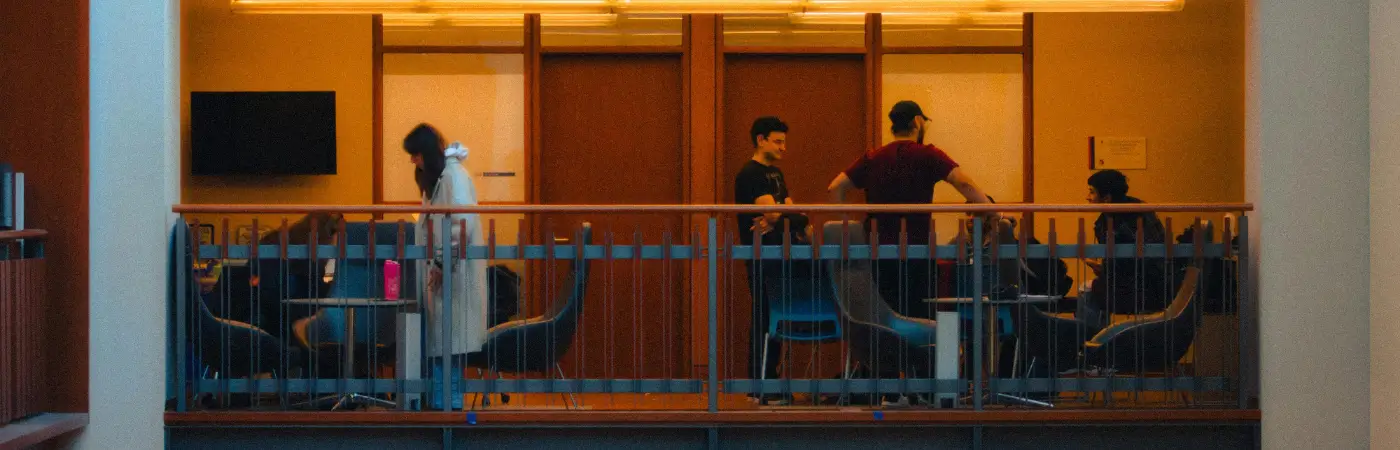
If you’ve spent any time driving through the bustling corridors of the Texas Triangle, the mega-region anchored by Austin, Dallas-Fort Worth, and Houston, you’ve likely noticed a common sight: the explosion of sleek, modern coworking spaces.
For many Texas entrepreneurs and remote teams, the “home office” or the local coffee shop has been the default.
But as the Lone Star State continues to lead the nation in business growth and corporate relocations, the question isn’t just where to work, but how to work effectively.
Is the monthly membership fee of a coworking space in Texas actually worth it? Or is it just an expensive way to get a desk and a cup of artisan coffee?
To answer that, we need to look beyond the aesthetics and dive into the numbers, the networking potential, and the unique economic landscape of Texas.
1. The Financial Reality: Coworking vs. Traditional Leases
In business, the bottom line often speaks the loudest. In Texas, the commercial real estate market is notoriously diverse.
Moreover, leasing a traditional office in downtown Austin is a vastly different financial commitment than doing so in a suburban pocket of San Antonio.
1. Eliminating the “Hidden” Costs of Moving In
When you sign a traditional commercial lease in Texas, the rent is only the beginning. You are often looking at:
- Tenant Improvements: Build-out costs for office spaces in Texas can range from $75 to $150 per square foot depending on the finish-out.
- Upfront Capital: Most landlords require a significant security deposit, often equivalent to multiple months of rent.
- Utilities and Maintenance: Internet, electricity, janitorial services, and furniture sourcing can add an additional 20-30% to your monthly overhead.
In contrast, coworking spaces operate on a “plug-and-play” model. You pay one monthly fee that covers everything.
In cities like Austin, coworking memberships typically start around $289–$339 per month, while a dedicated desk might range from $450 to $700.
When you factor in the “Total Cost of Occupancy” (TCO), coworking often saves small businesses up to 25% compared to managing a private suite.
2. Flexibility as a Financial Asset
Texas is a state of “booms.” Whether you are a tech startup in the “Silicon Hills” or an energy firm in Houston, your team size can change overnight.
A traditional 3-to-5-year lease is a rigid anchor that can sink a growing company if they outgrow the space, or worse, if they need to downsize.
Coworking offers the ability to scale your “burn rate” month-to-month.
Moreover, you can start with two hot desks and upgrade to a private 10-person office as your revenue grows, without ever changing your business address.
You can also read: 8 Benefits of Private Executive Suites for Growing Businesses in Texas.
2. Beyond the Desk: The Texas Networking Powerhouse
One of the most overlooked aspects of the “Is it worth it?” question is the proximity to talent.
Texas is home to some of the fastest-growing professional communities in the world.
The Proximity Effect
When you work from home, your network is limited to your Zoom calls and LinkedIn feed.
On the other hand, in a coworking space, your “office mates” are often your future collaborators, clients, or investors.
- Startups and SMEs: Small to medium enterprises represent roughly 95% of all businesses in the U.S., and Texas is a primary hub for this activity.
- Diverse Industries: In a single Texas coworking hub, you might sit between a petroleum engineer, a SaaS developer, and a digital marketing consultant.
This ecosystem fosters “serendipitous collisions,” those kitchen-counter conversations that turn into lead generation.
Data suggest that nearly 33% of startups and 54% of freelancers now prefer coworking for the collaborative environment that home offices cannot replicate.
You can also read: 6 Networking Strategies to Grow Your Business in a Coworking Community.
3. Amenities: Productivity or Distraction?
Critics often argue that coworking spaces are just “distraction factories” with too many bells and whistles.
However, for the modern Texas professional, these amenities are often essential business tools.
High-End Infrastructure
Most high-tier Texas coworking spaces now include:
- Podcast and Content Studios: With content marketing becoming a cornerstone for Texas businesses, having an on-site studio saves hundreds of dollars in hourly rental fees elsewhere.
- Smart Meeting Rooms: Fully equipped with 4K screens and seamless video conferencing tools, these spaces allow you to host clients in a professional setting that a living room or a loud cafe cannot provide.
- Wellness and Focus Zones: From “nap pods” to “quiet libraries,” these spaces are designed around biophilic principles (integrating nature and light) to boost mental clarity and reduce the burnout common in high-growth industries.
You can also read: Tips to Launch your Small Business from a Coworking Space in 2026.
4. Geographic Advantages: Fighting the Texas Commute
We can’t talk about Texas without talking about traffic. Whether it’s I-35 in Austin or the 610 Loop in Houston, the commute is a productivity killer.
The trend for 2026 is the “Hub-and-Spoke” model. Instead of forcing an entire team to commute to a single downtown headquarters, companies are increasingly using coworking memberships to provide “satellite offices” near where their employees actually live.
- Suburban Growth: Coworking demand in Texas suburban areas (like Round Rock, Frisco, or The Woodlands) has increased as professionals look to shorten their commute while maintaining a professional environment.
- Global Access: Many memberships allow you to work from any of their locations globally. If you’re a Dallas-based consultant with clients in Houston, you have an office waiting for you the moment you step off the plane or out of your car.
5. The Emotional ROI: Combating the “Isolation Epidemic”
There is a human cost to remote work that doesn’t show up on a balance sheet. Recent studies have highlighted a growing “loneliness epidemic” among remote workers.
Working in a shared space provides a sense of community and structure.
Also, it creates a physical boundary between “work life” and “home life.”
For many Texas business owners, the mental health benefits of having a reason to get dressed and interact with other humans are the primary reasons they find coworking “worth it.”
When you are surrounded by other driven, creative individuals, your own motivation naturally trends upward. You aren’t just paying for a desk; you’re paying for an atmosphere of ambition.
You can also read: Futuristic Trends for Coworking Spaces in 2026.
Coworking Spaces in Texas: Who is it for?
So, are coworking spaces worth it in Texas? The answer depends on your stage of growth:
- For Freelancers and Solopreneurs: Yes. The cost of a basic membership is usually offset by the networking opportunities and the increase in billable hours due to fewer home distractions.
- For Growing Startups: Absolutely. The ability to scale your footprint without the risk of a long-term lease is a competitive advantage in a volatile market.
- For Large Corporations: Increasingly, Yes. Major firms like IBM and Microsoft are already using coworking as a way to attract talent who demand flexibility and modern environments.
Spotlighting a Texas Leader: Leez A Space
If you are looking for a coworking partner that truly understands the North Texas market, Leez A Space has set a new standard for localized, flexible office solutions.
While national chains offer generic cubicles, Leez A Space focuses on providing high-quality, private executive suites tailored for the modern entrepreneur.
Why Leez A Space is the Strategic Choice in North Texas
With the 15 premium locations across the region, including Carrollton, Frisco, McKinney, Plano, and Aubrey, Leez A Space bridges the gap between high-end corporate professionalism and small-business affordability.
- All-Inclusive Monthly Rates: Forget about separate bills for high-speed internet, electricity, or janitorial services. Starting as low as $800–$850 per month, everything is wrapped into one predictable payment.
- Designed for Specialized Professionals: Unlike typical “open-concept” noise factories, Leez A Space caters to consultants, real estate agents, IT professionals, and even medical practitioners who require a secure, professional environment to meet clients.
- Zero Hidden Fees: One of the biggest complaints in Texas commercial real estate is the “NNN” (Triple Net) charges. Leez A Space eliminates this stress with a transparent pricing model that allows you to focus on growth rather than paperwork.
Whether you need a coworking space in Frisco or a quiet, professional suite in Carrollton, Leez A Space provides the infrastructure that makes your business look and feel like a Fortune 500 company.
Conclusion
In the Texas business landscape of 2026, agility is the ultimate currency.
While the monthly cost of a coworking space might seem like a luxury at first glance, the combination of lower upfront capital, high-end tech infrastructure, and unrivaled networking potential makes it a strategic investment rather than a simple expense.
If you’re looking to scale your business in the Lone Star State, the right coworking space isn’t just a place to sit, it’s a platform to grow.
Ready to find your spot? Experience the difference of a professional, all-inclusive workspace at Leez A Space.
Contact us today and see how our North Texas executive suites can transform your workday.